What Is an Export Processing Zone?
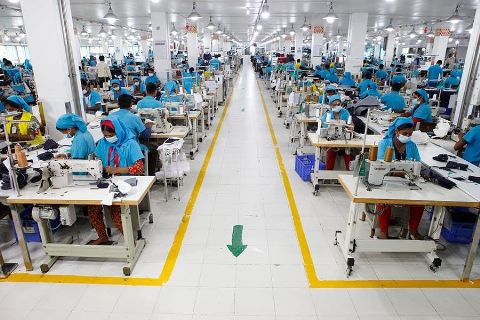
Export Processing Zones (EPZs) in Bangladesh are managed by the Bangladesh Export Processing Zones Authority (BEPZA). The country operates eight EPZs, which mainly serve export-oriented industries. Zones provide serviced industrial land, utilities and applicable fiscal and customs facilities inside a designated area, with simplified services designed around export production.
Because the EPZ regime is built around exports, it fits manufacturers whose output leaves the country and who want a self-contained industrial environment with dedicated administration. Foreign investors can establish wholly owned factories inside EPZs — a route many international manufacturers use. If your business model is purely export-focused and you value a single, established regime for land, utilities and customs facilitation, an EPZ is usually the first option to examine, and the eight zones give some choice of location.
What Is an Economic Zone?
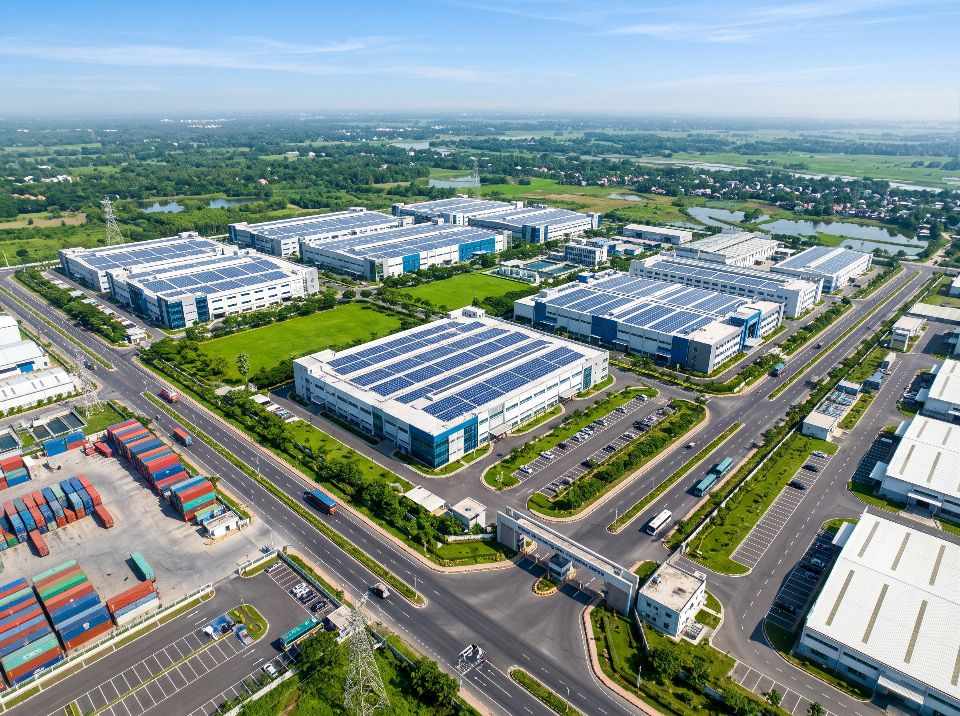
Economic Zones are managed by the Bangladesh Economic Zones Authority (BEZA). Unlike EPZs, economic zones can serve both export and domestic markets, and they include both government-developed and privately developed zones. Like EPZs, they offer serviced industrial land, utilities and applicable fiscal and customs facilities.
The wider market orientation makes economic zones attractive for businesses that want to manufacture for Bangladesh\u2019s market of more than 170 million consumers while retaining the option to export. Private economic zones in particular let developers tailor facilities to specific industries, which can be useful if your supply chain depends on neighbouring tenant industries or specialised utilities.
The Key Differences
Market orientation is the main distinction: EPZs mainly serve export-oriented industries, while economic zones can serve both export and domestic markets. Management differs too — BEPZA administers EPZs, BEZA administers economic zones.
The zone types also differ in how they have grown. EPZs are an established programme under one authority, which appeals to manufacturers that want a predictable environment built around export production. Economic zones are more varied: because BEZA oversees both government and private zones, individual zones can be developed around particular industries, and the service package can differ from one site to the next. That variety is an advantage if you match your requirements to the right zone, and a risk if you compare zones only on paper.
Your location decision also affects the registration pathway. If you locate in a zone, you register the investment with BEZA or BEPZA as applicable, in addition to incorporating the company with the RJSC; outside a zone, BIDA\u2019s One Stop Service is the standard route. Services and facilities can vary between individual zones, so compare specific zones rather than the categories alone. Our company registration guide sets out the full sequence.
How to Decide
Start with your customers. If your output is almost entirely for export and you want a dedicated, simplified administration, shortlist EPZs first. If you want access to the domestic market as well as exports, or you prefer a privately developed zone tailored to your industry, look at economic zones. More on the domestic opportunity is in Why Invest in Bangladesh.
Then compare the practical details: location relative to ports, suppliers and your workforce; the utilities and services each zone actually provides; and which fiscal and customs facilities apply to your activity. It is also worth asking what support the zone authority offers for permits and clearances, since that can affect how quickly you reach full operation. Requirements depend on your sector, location and business structure, and timelines and fees vary by case — take current guidance before committing. The incentives section of Why Bangladesh summarises the facilities available to eligible investors.
How Bangladesh Venture Hub Helps
We help you evaluate EPZ and economic zone options against your business plan: which zone types fit your market orientation, what services and facilities matter for your sector, and how the location decision interacts with company registration and permits. Our Help You Decide and Market Intelligence services support the assessment, while Business Setup, A to Z and Legal & Regulatory Support coordinate the paperwork with qualified local professionals once you choose.
Whether you settle on an EPZ, an economic zone or a conventional location, the goal is the same: a setup path that matches your market and your numbers. Tell us about your plans through our contact page and we will help you identify the next steps, usually within one business day.