Why Buyers Source from Bangladesh
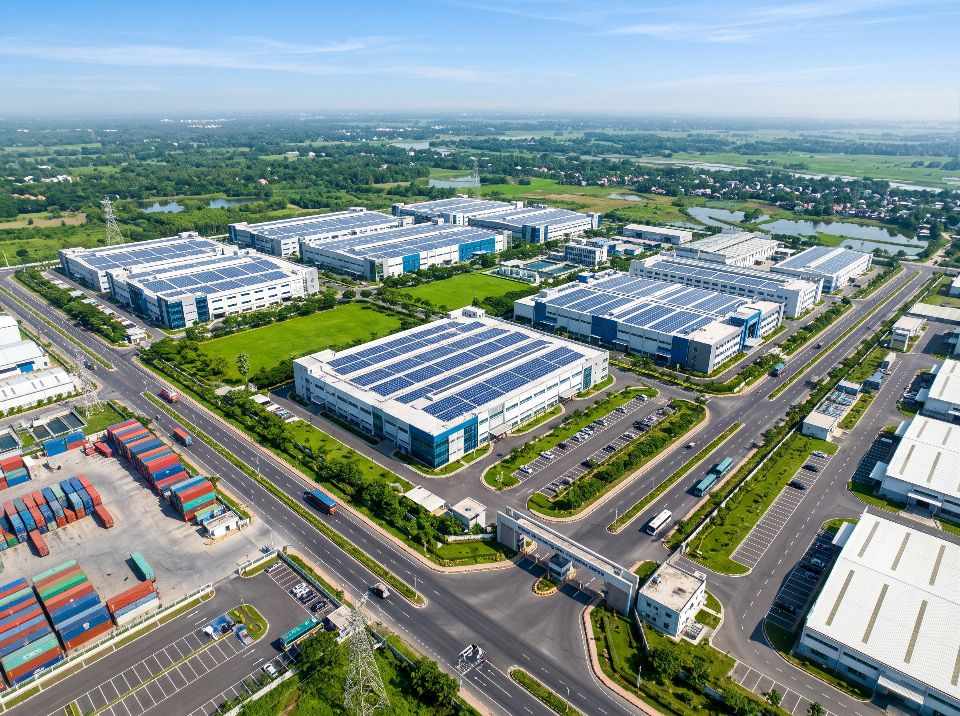
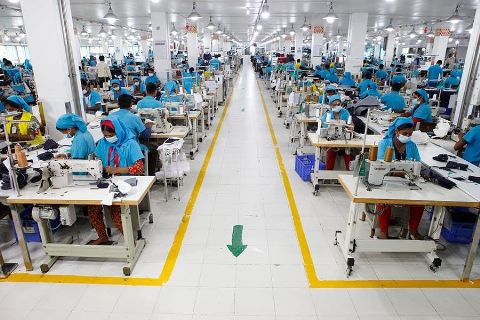
Bangladesh is one of the world\u2019s largest apparel exporters, supported by deep production capability, extensive supplier networks and decades of export experience. A large number of certified green factories make the country a natural choice for international buyers who need both scale and sustainability credentials.
The industry is also moving up the value chain. Production is expanding beyond basic garments into man-made fibres, technical and functional textiles, sportswear and higher-value apparel, so buyers can consolidate more of their programme with one sourcing base. Explore the full picture on our Garments & High-Value Textiles sector page.
What You Can Source
The opportunity set covers high-value apparel, sportswear and functional clothing; technical textiles and performance fabrics; man-made fibre and synthetic textile products; and sustainable textiles, including recycling and circular manufacturing. Buyers with longer-term interests can also find textile machinery, accessories, dyeing and finishing technologies in Bangladesh — useful context if you are considering backward linkage or your own manufacturing base.
This shift towards man-made fibres and functional textiles matters for buyers as well as investors. Programmes that once relied only on cotton basics can now explore performance fabrics and higher-value categories within the same sourcing base, which simplifies supplier management as ranges grow.
Finding and Vetting Factories
A sourcing decision is only as good as the factory behind it. Start by identifying manufacturers with proven export capacity and relevant experience for your product categories, then verify certifications and compliance records against your buyers\u2019 requirements. Factory visits remain one of the most reliable checks: they let you see production lines, quality-control processes and working conditions first hand.
Directories alone are rarely enough. Work with introductions you can verify, check references from existing international clients, and align on sampling before committing to large orders. It also pays to decide early whether you want a long-term primary supplier or a broader panel: Bangladesh\u2019s extensive supplier networks make either model workable, but the vetting effort should match the size of the relationship you plan to build.
Bangladesh Venture Hub identifies and introduces suitable manufacturers, arranges factory visits and supports compliance checks for international buyers, so the shortlist in front of you has already been screened.
Compliance and Certifications
Compliance requirements differ by buyer, market and product, but they are now a condition of doing business in apparel. Bangladesh\u2019s large base of certified green factories responds directly to buyer-driven demand for sustainable manufacturing, and international quality standards continue to spread across the supplier base.
Before placing orders, confirm which audits, certifications and social-compliance standards your buyers require, and check that the factory holds them or has a credible plan to obtain them. We help coordinate compliance checks as part of the sourcing process, so gaps surface before production rather than after shipment.
Sampling, Orders and Lead Times
Never skip sampling. Treat samples as the agreement point for fabric, fit, finish and packaging, and approve them before production starts. Lead times depend on product type, order size, fabric availability and compliance requirements, so build sampling and production windows into your buying calendar rather than assuming standard timelines. Clear tech packs and documented approvals reduce back-and-forth later. Our team helps coordinate sampling between buyers and manufacturers so expectations on both sides are documented.
Logistics via Chattogram
Most export cargo moves through Chattogram Port, the country\u2019s main gateway for international trade, with Mongla Port as an additional option and the Matarbari deep-sea port under development. Freight forwarding, shipping support, customs clearance, warehousing and inland container depots connect factories to global supply chains, while cold-chain and specialised storage serve programmes that need them.
When comparing landed costs, factor in port services and inland transport, not just factory pricing. See our Infrastructure & Logistics sector page and our Logistics & Supply Chain service for how we connect buyers to service providers.
How Bangladesh Venture Hub Helps
Navigating a new supplier base alone takes time you may not have. We identify and introduce suitable manufacturers, arrange factory visits, and help coordinate sampling, compliance checks and logistics — the day-to-day coordination that keeps a sourcing programme moving.
If you are considering your own garment factory, including inside an EPZ or economic zone, our Business Setup, A to Z service and company registration guide cover the setup path. Send an inquiry through our contact page to discuss your sourcing or investment plans.